

OpenClaw’s Agentic AI Breakthrough and the Security Risks

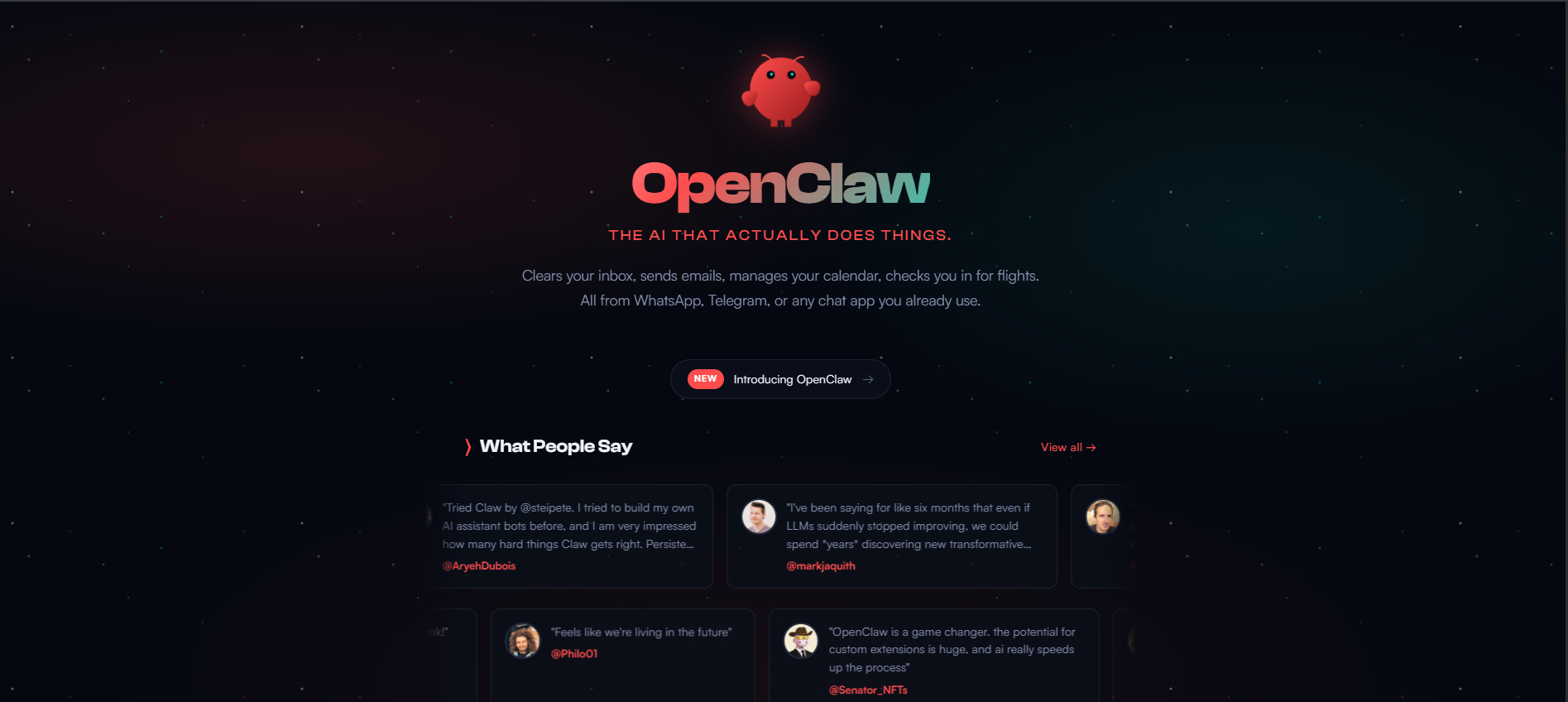
OpenClaw is an open-source, self-hosted personal AI assistant that has captured widespread attention—both for its ability to autonomously write emails, schedule appointments, and execute complex workflows, and for the significant security concerns it has raised.
Originally launched in late 2025 by developer Peter Steinberger under the name Clawdbot (and briefly rebranded as Moltbot), OpenClaw was designed to be more than a chatbot. It’s a persistent agent that runs on your own device and, when granted permissions, executes real tasks across messaging platforms, file systems, and applications.
This autonomy—effectively giving the AI “keys to your digital life”—is what enthusiasts hail as a milestone in personal AI automation. The project’s GitHub repository has rapidly gained traction, spawning a burgeoning ecosystem of integrations and third-party extensions.
However, that same deep access to email, calendars, credentials, and system controls has made OpenClaw a high-profile security concern. Researchers have identified multiple critical vulnerabilities, including recent remote-code execution flaws that can be triggered via malicious links. Additional risks include widespread exposed configurations and a flood of malicious third-party extensions capable of stealing data or executing harmful code.
What many hoped would be a productivity breakthrough has become a cautionary case study about the risks of granting AI agents unfettered access to private data and systems. As OpenClaw continues to develop and attract users, understanding and addressing these security vulnerabilities will be critical.